In today’s global marketplace, businesses and organisations rely heavily on accurate, specialised, and industry-specific translations. Whether a company is expanding into international markets, complying with regulatory requirements, or communicating complex technical data, the quality of technical translation services plays a crucial role in avoiding misunderstandings and ensuring smooth operations. At setranslations.uk, we understand the high-stakes nature of technical communication, and we provide professional translation solutions designed for clarity, precision, and compliance.
Before going deeper into this article, it is important to emphasise our service disclaimer: We do not give any legal advice to any client. We only do translation. We do not give any authenticity, security, or clarity of the documentation. As a disclaimer, we only do the translation. It is the responsibility of the applicant to make sure they maintain authenticity of the document. If the documents are not authentic, the translation will be void. This is a fundamental policy for every translation project, including technical translations, and it ensures transparency for all clients.
Technical translation stands apart from general translation because it demands more than just language fluency. It requires industry-specific knowledge, understanding of technical terminology, and the ability to translate complex concepts in a way that remains accurate across languages and cultures. This article explores what technical translation entails, why it is essential, the industries that rely on it, and how setranslations.uk provides professional solutions that help businesses communicate confidently and accurately across borders.
What Are Technical Translation Services?
Technical translation refers to the translation of documents and content that involve specialised knowledge, scientific information, or industry-specific terminology. Unlike general translation, technical translation deals with structured, detailed, and complex material that often requires a subject-matter expert.
Technical translation is widely used in sectors such as engineering, IT, telecommunications, energy, manufacturing, pharmaceuticals, automotive, and construction. These industries rely on highly accurate documentation to ensure safety, proper functioning of machinery, legally compliant reporting, and clear communication between international teams.
The purpose of technical translation is not only to convert words from one language to another, but to preserve the meaning, precision, and intent of the original text. A small misinterpretation in a user manual, safety guide, engineering drawing, or technical specification can lead to operational errors, financial losses, or even safety hazards. This is why professional technical translators must have both linguistic mastery and technical knowledge.
At setranslations.uk, we approach technical translation with the highest attention to detail. Every document is handled by a trained translator familiar with its field, ensuring accuracy and clarity at every stage of the process.
The Tanveer Principle in UK
The Tanveer Principle in the UK plays a vital role in ensuring fairness within asylum and immigration cases. It guides decision-makers to rely on credible, verifiable evidence rather than assumptions or personal impressions.
This principle protects applicants by ensuring that caseworkers assess documents carefully, especially when authenticity is questioned. It prevents unfair refusals based on speculation.
In the UK immigration system, the Tanveer Principle strengthens transparency and accuracy. It ensures that every applicant is judged on the basis of proper evidence, promoting justice and consistency throughout the asylum and immigration process.
Why Technical Translation Requires Specialist Expertise?

Technical translation cannot be performed successfully without a deep understanding of the subject matter. Unlike general content, technical documents often contain:
- Industry-specific terminology
- Technical drawings, diagrams, and measurements
- Complex system descriptions
- Safety procedures and legal compliance language
- Scientific formulas and engineering specifications
These elements require a specialised translator who has practical experience or academic knowledge related to the field.
For example, translating a mechanical engineering manual requires familiarity with engineering components, material properties, torque specifications, and assembly processes. Translating medical device documentation requires understanding of clinical terminology, anatomy, and regulatory requirements. Translating IT documentation demands knowledge of software development, network architecture, and cybersecurity concepts.
At setranslations.uk, we ensure that technical translation is always handled by someone with the right background. This ensures that terminology remains consistent, factual integrity is maintained, and the translated document serves its functional purpose accurately.
Industries That Depend on Technical Translation Services
Technical translation is required across numerous industries. Below is an overview of key sectors where accuracy and clarity are vital.
1. Engineering and Manufacturing
Engineering companies rely on technical translation for machine manuals, product specifications, operating instructions, blueprints, and maintenance guides. Global manufacturing teams must understand these documents clearly to avoid costly production errors.
2. Information Technology and Software
In the IT sector, documentation such as software manuals, technical user guides, API documentation, algorithms, and cybersecurity documents require precision. A mistranslation can potentially disrupt entire systems or cause implementation issues.
3. Medical and Pharmaceutical
This industry demands the highest level of accuracy. Technical translation here may include medical device manuals, pharmaceutical guidelines, laboratory reports, medical protocols, and clinical trial documentation.
4. Energy, Oil, and Gas
Energy companies operate globally and rely on precise translations for safety procedures, environmental assessments, compliance documents, and technical specifications for pipelines, drilling, and refining operations.
5. Automotive and Transport
The automotive sector uses technical translation for vehicle manuals, mechanical parts guidelines, manufacturing processes, diagnostic procedures, and safety documentation.
6. Telecommunications
Telecom companies require translation services for hardware specifications, network configuration documents, technical diagrams, and installation manuals.
7. Construction and Architecture
Building projects involve architectural drawings, safety procedures, regulatory requirements, tender documents, and structural analysis reports. Each must be translated accurately to ensure safe and compliant construction.
8. Aerospace and Defence
Technical translation plays a critical role in aviation manuals, defence system documentation, engineering drawings, and safety protocols. Misinterpretation can lead to severe operational consequences.
Each of these industries demands precision, and at setranslations.uk, we are committed to providing translations that maintain accuracy, meaning, and industry-specific terminology.
What Makes Technical Translation Different from General Translation?
Technical translation involves several complexities not found in general translation:
Highly Specific Terminology
Every technical field uses unique terms. These must be translated consistently and accurately, often requiring the use of glossaries or translation memory tools.
Complex Formats and Diagrams
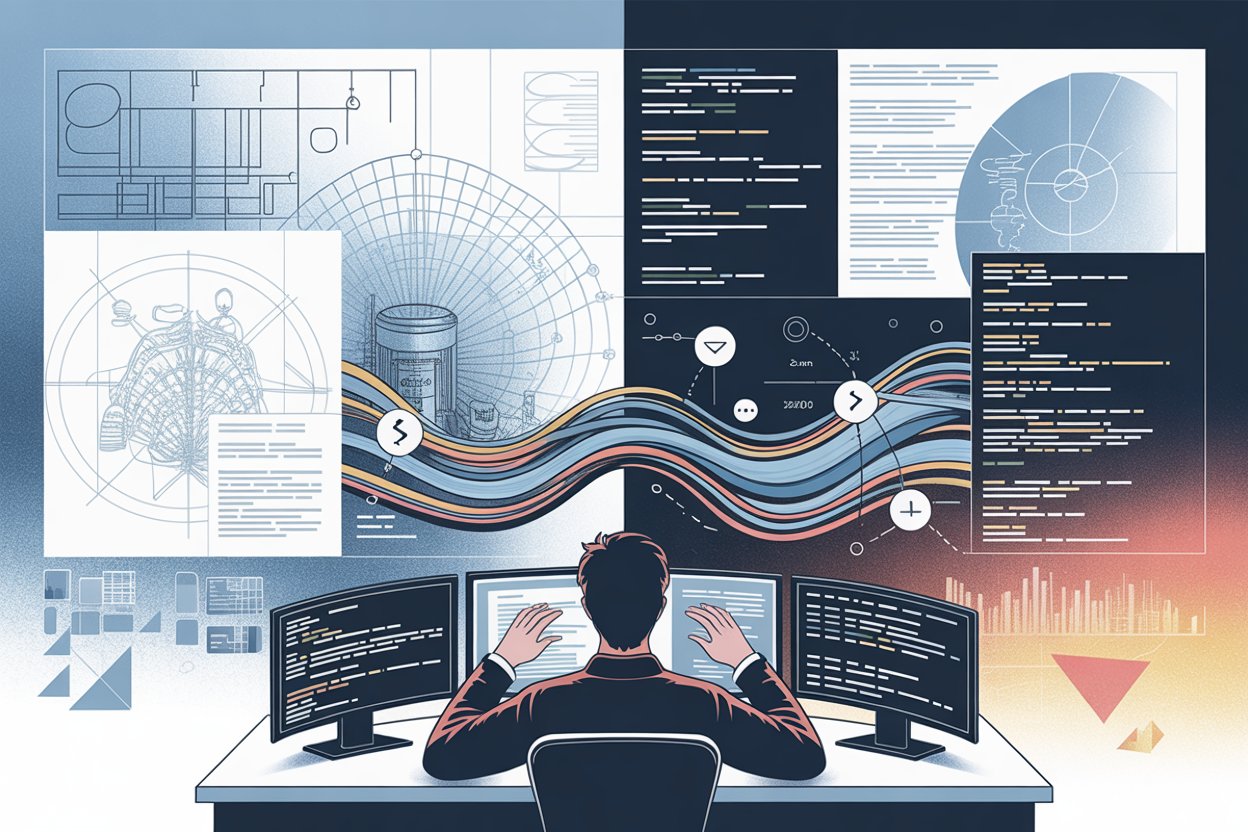
Technical documents frequently contain tables, charts, engineering drawings, scientific formulas, and schematics that must be preserved exactly in the translated version.
Regulatory Compliance
Many industries require documentation to meet international standards. Technical translation must align with regulatory frameworks, ensuring clarity without modifying meaning.
Zero Tolerance for Errors
Unlike general content, minor errors in technical translation may lead to safety risks, financial losses, or operational issues. Accuracy is non-negotiable.
Need for Subject-Matter Knowledge
A translator who lacks technical understanding may misinterpret terminology or concepts, leading to inaccurate results.
These reasons highlight why technical translation is a specialised service that requires expertise beyond language proficiency. At setranslations.uk, our focus is always on delivering translations that meet professional standards while ensuring documents remain usable, clear, and purpose-ready.
The Importance of Accuracy in Technical Translation
Accuracy is the foundation of technical translation. Inaccurate translation can cause major problems in industries where instructions must be followed precisely. Technical translation ensures:
- Correct usage of equipment and machinery
- Compliance with safety procedures
- Adherence to regulatory requirements
- Smooth international collaboration
- Consistent brand and product representation
Companies that rely on technical translation often work with engineers, technicians, researchers, medical professionals, and regulatory authorities. These audiences need crystal-clear communication, which is why technical documents must be translated with no ambiguity.
At setranslations.uk, accuracy is always our top priority. We ensure that every translation reflects the intent and functionality of the original document.
Types of Technical Documents We Translate
Technical translation covers a wide range of documents. Some of the most common include:
- User manuals
- Technical specifications
- Standard operating procedures (SOPs)
- Engineering reports
- Installation guides
- Scientific papers
- Safety data sheets
- Maintenance instructions
- IT documentation
- Product descriptions
- Process descriptions
- Compliance documentation
- Research findings
- System architecture documents
- Training materials
Each document type demands attention to detail and full understanding of the technical content. At setranslations.uk, these documents are translated by experts familiar with the subject matter, ensuring reliability and clarity.
How setranslations.uk Ensures High-Quality Technical Translation?
Providing high-quality technical translation involves several important steps. At setranslations.uk, our process is designed to produce consistent, accurate, and industry-ready translations.
1. Understanding the Client’s Requirements
Every project begins with understanding the client’s goals, the purpose of the document, the industry context, and any specific terminology preferences. This ensures the translated output aligns with the intended use.
2. Assigning the Right Technical Translator
We select a translator who has experience in the relevant technical field. This ensures familiarity with industry jargon, standards, and procedures.
3. Maintaining Terminology Consistency
For large projects or ongoing partnerships, we maintain glossaries and terminology lists to ensure consistent usage across all documents.
4. Precision in Formatting
Technical documents often contain diagrams, tables, codes, and structured layouts. We ensure the formatting remains intact and easy to follow in the translated version.
5. Thorough Review Process
Every translation is reviewed for accuracy, clarity, and consistency. We ensure that the document reads naturally while preserving the exact meaning of the original content.
6. Delivery in the Client’s Preferred Format
Clients receive documents in a clear, organised, and user-ready format that suits their operational needs.
This structured approach ensures that every technical translation produced by setranslations.uk adheres to professional standards and meets business expectations.
Challenges in Technical Translation and How We Address Them
Technical translation is complex and can pose several challenges. Below are key challenges and how we handle them:
Complex Terminology
Many technical terms do not have direct equivalents in other languages. Our translators rely on industry knowledge, reference materials, and client glossaries to maintain accuracy.
Ambiguous Source Text
Sometimes original documents lack clarity or contain inconsistent terminology. We identify such areas and seek clarification from clients where necessary.
Cultural and Linguistic Differences
Some technical concepts may be expressed differently across cultures. We adjust phrasing to ensure the meaning is understood clearly in the target language without altering the technical purpose.
Formatting Constraints
Engineering drawings, graphs, and diagrams must remain intact. We use advanced formatting techniques to maintain the structure of the original.
Regulatory Variations
Different countries may follow different standards. Our translators ensure compliance with region-specific terminology where required.
These challenges highlight the need for expert translators who understand both language and technical fields. At setranslations.uk, our team is fully equipped to handle these complexities.
Why Choose setranslations.uk for Technical Translation Services?
Choosing the right partner for technical translation is critical for your organisation. Here is what sets our service apart:
Expert Translators
We assign technically qualified translators who understand the terminology and nuances of your industry.
High Accuracy Standards
We focus on delivering error-free translations that reflect the precision required in technical fields.
Professionalism and Confidentiality
All documents are handled securely and treated with strict confidentiality.
Industry-Specific Knowledge
Our translators have experience across engineering, IT, medical, manufacturing, telecom, and many other sectors.
Commitment to Client Satisfaction
We understand how important accurate documentation is for business operations and compliance.
Clear Disclaimer and Transparency
We emphasise transparency in all our services.
Once again: We do not give any legal advice. We do not provide authenticity or security of documents. We only do the translation. If any document is not authentic, the translation becomes void.
This clarity ensures clients understand our role and responsibilities.
How Technical Translation Supports Global Business Growth?
Technical translation is essential for companies expanding internationally. It helps organisations:
- Communicate effectively with global clients and partners
- Comply with international regulations
- Ensure safe product usage
- Train employees across different regions
- Provide multilingual technical support
- Present products and services professionally in foreign markets
Accurate technical translation builds trust, supports business growth, and strengthens brand reputation. It ensures that your technical content reaches global audiences with clarity and professionalism.
At setranslations.uk, we provide translation solutions that help businesses operate confidently across borders.
FAQs on Technical Translation Services
1. What Is Technical Translation?
Technical translation involves translating specialised documents that contain industry-specific terminology, scientific data, engineering content, or complex technical instructions. These translations require subject-matter expertise to maintain accuracy and clarity.
2. Why Is Technical Translation Important for Businesses?
Businesses rely on technical translation to ensure accurate communication across international teams, comply with industry standards, provide correct product usage instructions, and maintain safety. Precise translation helps prevent errors, operational delays, and misunderstandings.
3. What Types of Technical Documents Can Be Translated?
Technical documents may include user manuals, engineering reports, IT documentation, medical device instructions, safety data sheets, scientific research, SOPs, installation guides, product descriptions, and compliance documents. At setranslations.uk, we handle a wide range of technical material.
4. Do You Certify or Authenticate Technical Documents?
No. As stated in our disclaimer: We do not give any legal advice. We only provide translation services. We do not give authenticity, security, or clarity of documentation. If documents are not authentic, the translation will be void. Clients are responsible for ensuring the authenticity of their documents.
5. How Do You Ensure Accuracy in Technical Translation?
Accuracy is maintained by assigning translators with industry-specific expertise, using consistent terminology, preserving formatting, and reviewing the translated document carefully. At setranslations.uk, every translation is handled with precision to meet professional standards.
Conclusion
Technical translation plays a vital role in connecting industries, supporting global expansion, and ensuring the safe and accurate use of products, machinery, and systems. As businesses continue to expand into multilingual markets, the need for precise, reliable, and well-translated technical documents becomes more important than ever.
At setranslations.uk, we are committed to delivering high-quality technical translations handled by specialised experts who understand the complexity of industry-specific content. Our services are built on professionalism, accuracy, and transparency.
We also reiterate our essential disclaimer: We do not give legal advice. We only provide translation. We do not guarantee authenticity or security of any document. If a document is not authentic, the translation becomes void.
With this clear understanding, we support organisations with translation services that enhance communication, ensure clarity, and support operational success. If your business requires precise, professional, and reliable technical translations, setranslations.uk is here to help you confidently navigate international communication.