

One of the most common questions clients ask before ordering a professional translation is simple but important: how much should I pay for translation services? The answer, however, is not always straightforward. Translation pricing depends on many factors, including language pair, document type, turnaround time, complexity, and purpose of use.
At setranslations.uk, we regularly work with individuals, businesses, and organisations who need accurate and professional translations for immigration, academic, business, medical, technical, and general purposes. Many clients are unsure whether a quoted price is reasonable or excessive, especially when prices can vary widely between providers.
This article provides a detailed, transparent, and practical explanation of translation service costs. It explains what influences pricing, what you should reasonably expect to pay, how to avoid hidden fees, and how specialised services such as A-number translation services that translate a dialled telephone number are priced. The goal is to help you make an informed decision without confusion or unrealistic expectations.
Disclaimer: We do not give any legal advice to any client. We only do translation. We do not give any authenticity, security, or clarity of the documentation. We only do the translation. It is the responsibility of the applicant to make sure they maintain authenticity of the document. If the documents are not authentic, the translation will be void.
How Much Should I Pay for Translation Services?
At setranslations.uk, the cost of translation services depends on several key factors, including the language pair, document type, length, and subject matter. Common language translations are usually more affordable, while specialised or less common languages may cost more due to expertise requirements.
Translation pricing is often calculated per word or per page. Simple documents generally cost less, while technical, academic, or business documents require more attention and accuracy, which can increase the overall price. Urgent turnaround requests may also affect the final cost.
Paying a fair price for professional translation ensures accuracy, clarity, and reliability. While cheaper options may seem appealing, quality translation helps avoid errors and misunderstandings, making it a worthwhile investment for personal, academic, or professional use.
The Tanveer Principle in UK
The Tanveer Principle in the UK plays a vital role in ensuring fairness within asylum and immigration cases. It guides decision-makers to rely on credible, verifiable evidence rather than assumptions or personal impressions.
This principle protects applicants by ensuring that caseworkers assess documents carefully, especially when authenticity is questioned. It prevents unfair refusals based on speculation.
In the UK immigration system, the Tanveer Principle strengthens transparency and accuracy. It ensures that every applicant is judged on the basis of proper evidence, promoting justice and consistency throughout the asylum and immigration process.
Understanding Translation Services in Today’s Market
Professional translation is not just about converting words from one language to another. It involves linguistic accuracy, cultural understanding, formatting awareness, and subject-matter familiarity. This is why pricing is not fixed across all translation jobs.
In today’s market, translation services range from low-cost automated outputs to premium human translations completed by trained professionals. While machine translation tools may appear cheap or even free, they are not suitable for official, professional, or formal use. In contrast, human translation requires time, expertise, and quality control, which is reflected in pricing.
Clients should understand that translation is a skilled service, not a commodity. Just as legal or accounting services vary in cost based on complexity, translation pricing reflects the effort required to deliver an accurate and usable result.
Average Translation Costs in the UK
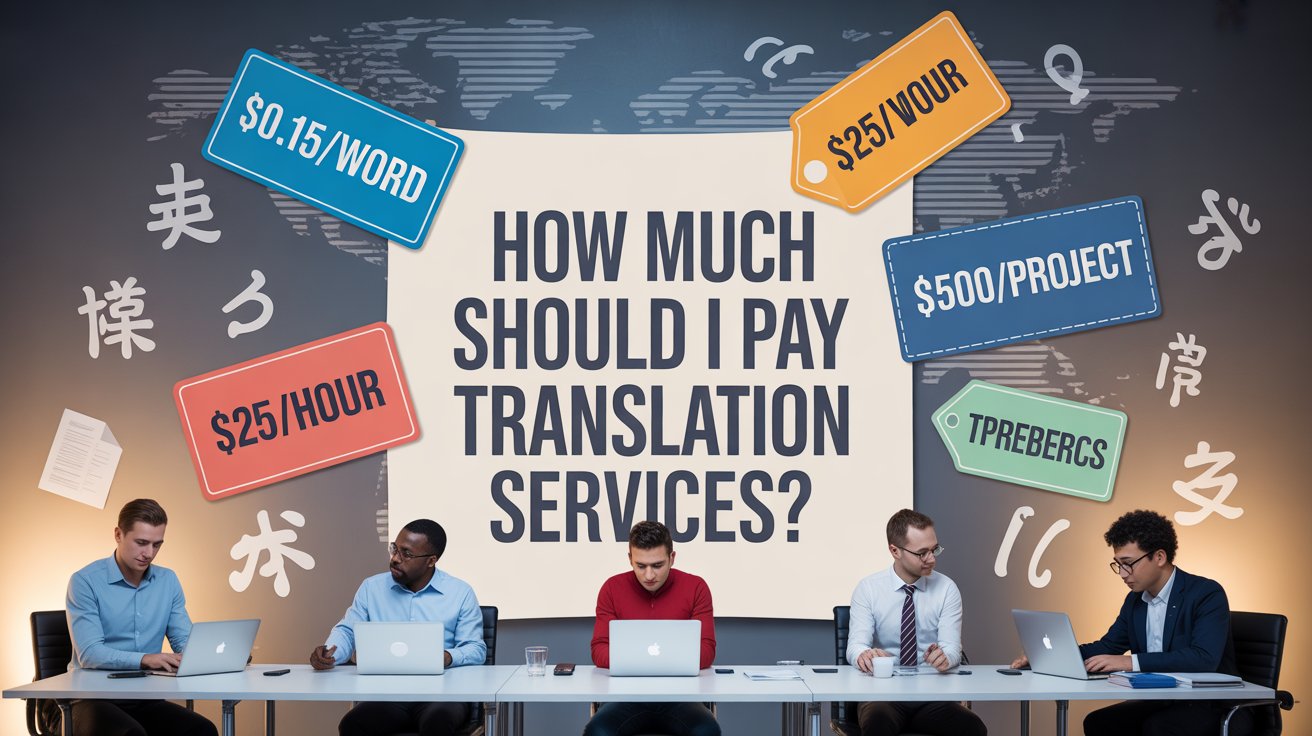
In the UK market, professional translation services generally fall within certain price ranges. While prices can vary, the following figures provide a realistic benchmark.
For standard document translation, most professional providers charge per word, per page, or per document. Per-word pricing is common for longer texts, while per-page pricing is often used for certificates and official records.
On average, general translation costs range from £0.08 to £0.15 per word for common language pairs. More specialised or less common languages can increase the cost. Short documents such as birth certificates, marriage certificates, or academic transcripts are often priced between £25 and £60 per page, depending on complexity and turnaround time.
At setranslations.uk, pricing is structured to remain competitive while maintaining professional quality. We focus on transparency so clients understand what they are paying for and why.
Key Factors That Affect Translation Pricing
Language Pair
The language combination is one of the most significant factors in translation pricing. Translations between widely spoken languages, such as English to Spanish or English to French, are usually more affordable due to the availability of professional translators.
Less common language pairs, such as Arabic to English, Bangla to English, Arabic to English or certain regional dialects, may cost more due to limited availability of qualified translators. This applies equally to spoken and written translation.
For example, Bangla to English or Urdu to English translation pricing may vary depending on document type and subject matter, even though these languages are widely spoken.
Document Type and Purpose
Not all documents are priced equally. A simple personal letter does not require the same level of attention as a legal contract or technical manual.
Common document categories include:
- Personal documents (birth certificates, marriage certificates)
- Academic documents (transcripts, diplomas)
- Business documents (contracts, reports)
- Technical or medical documents
- Marketing and website content
Documents intended for official use often require careful formatting and consistency, which can increase translation time and cost. At setranslations.uk, we translate the content accurately but do not verify or authenticate documents, as stated in our disclaimer.
Word Count and Text Density
Translation pricing is often calculated per word, but not all words require the same effort. A densely written document with complex sentence structures takes longer to translate than simple conversational text.
Certificates, for example, may have fewer words but require careful formatting to match the original layout. This is why such documents are usually priced per page rather than per word.
Turnaround Time
Urgency plays a significant role in pricing. Standard translation turnaround times are more affordable, while same-day or next-day services often come at a higher cost.
Rush translation requires translators to prioritise your project over others or work extended hours. While this is possible, it naturally increases the price. Clients should only request urgent services when genuinely necessary.
Subject Matter Complexity
Technical, medical, financial, or scientific documents require translators with subject-specific knowledge. These translators typically charge higher rates due to their expertise.
For example, translating a medical report or engineering manual is more complex than translating a general letter. Pricing reflects the level of responsibility and accuracy required.
Per-Word vs Per-Page Pricing Explained
Clients often ask whether per-word or per-page pricing is better. The answer depends on the document type.
Per-word pricing is suitable for long documents such as articles, reports, manuals, or books. It provides transparency and allows clients to estimate costs easily.
Per-page pricing is commonly used for certificates and official documents where formatting is important. A single page may require layout adjustments that are not reflected by word count alone.
At setranslations.uk, we choose the pricing model that best suits the document while keeping costs fair and clear.
Certified and Official Translation Costs
Many clients assume that certified or official translations automatically cost more. While certification may add a small administrative cost, the main pricing factors remain language pair, document type, and urgency.
It is important to clarify that setranslations.uk provides translation services only. We do not offer legal advice, document authentication, or verification of document legitimacy. Certification, where applicable, relates only to the accuracy of the translation, not the authenticity of the original document.
If a document is later found to be inauthentic, the translation becomes void, as stated in our disclaimer.
Hidden Costs to Watch Out For
Some translation providers advertise extremely low prices but later add hidden fees. These may include formatting charges, revision fees, or delivery costs.
Reputable translation companies clearly explain what is included in the price. At setranslations.uk, transparency is a priority. Clients are informed upfront about pricing so there are no surprises.
Always ask whether revisions, formatting, and basic quality checks are included before confirming an order.
Machine Translation vs Human Translation: Cost vs Value
Machine translation tools can appear attractive due to their low cost or free access. However, they are not suitable for professional use.
Machine translations often miss context, tone, and cultural nuances. They may also produce inaccurate or misleading results, especially for official documents.
Human translation costs more, but it provides accuracy, consistency, and accountability. When documents are used for important purposes, professional translation is a worthwhile investment.
Understanding A-Number Translation Services and Pricing
An often misunderstood area of translation and communication services is A-number translation, particularly when it involves translating or routing a dialled telephone number.
An A-number translation service translates a dialled telephone number into another routing number, allowing calls to be redirected based on predefined rules. While this is not linguistic translation in the traditional sense, it is still considered a specialised translation service in telecommunications.
A-number translation services are typically used by businesses, call centres, and service providers to manage inbound calls efficiently. Pricing for such services depends on system complexity, routing logic, and integration requirements.
Unlike document translation, A-number translation pricing is usually structured as a service fee rather than per word or per page. Clients may pay a setup fee and ongoing usage charges.
Although setranslations.uk primarily focuses on language translation services, it is important for clients to understand the difference between linguistic translation and technical number translation. Costs should always reflect the service type and technical requirements involved.
Why Extremely Cheap Translation Is a Red Flag?
If a translation price seems too good to be true, it often is. Extremely cheap translation services may rely on unqualified translators or automated tools without proper review.
Poor translation quality can cause serious problems, including misunderstandings, rejections, or reputational damage. Paying a fair price ensures that the work is handled professionally.
At setranslations.uk, pricing reflects quality, experience, and reliability, not shortcuts.
How to Budget for Translation Services?
Planning ahead can significantly reduce translation costs. Clients who allow reasonable turnaround times and provide clear documents often receive better pricing.
It is also helpful to group documents together rather than submitting them separately. This allows translators to work more efficiently and may reduce overall costs.
Understanding your requirements before requesting a quote helps ensure accurate pricing from the start.
Translation for Immigration, Academic, and Business Use
Different purposes require different levels of attention. Immigration and academic documents often require precise formatting and terminology, while business documents may require consistency across multiple files.
While pricing varies, professional translation ensures that content is clear and accurate for its intended audience. However, as stated in our disclaimer, setranslations.uk does not provide legal advice or guarantee acceptance by any authority.
How setranslations.uk Determines Fair Pricing?
At setranslations.uk, pricing is based on:
- Language pair availability
- Document length and complexity
- Required turnaround time
- Formatting needs
- Subject matter
We aim to balance affordability with professional standards. Our goal is to provide clear, accurate translations without unnecessary costs.
FAQs: How Much Should I Pay for Translation Services?
1. How are translation services usually priced?
Translation services are commonly priced per word or per page, depending on the document type, language pair, and formatting requirements.
2. Why do translation prices vary between companies?
Prices vary due to translator expertise, language availability, document complexity, turnaround time, and quality control standards.
3. Do urgent translations cost more?
Yes, urgent or same-day translation requests usually cost more because they require priority handling and faster turnaround.
4. Are cheaper translation services reliable?
Very low-cost services may rely on automated tools or unqualified translators, which can affect accuracy and quality.
5. Does setranslations.uk provide legal advice or document verification?
No. setranslations.uk provides translation services only and does not offer legal advice or verify the authenticity of documents.
Final Thoughts: How Much Should You Pay?
So, how much should you pay for translation services? The honest answer is that you should pay a price that reflects quality, expertise, and responsibility.
Professional translation is an investment, not an expense. Paying a fair rate reduces risk, improves accuracy, and ensures your content is properly understood.
At setranslations.uk, we provide professional translation services with transparent pricing and clear boundaries of responsibility. We translate content accurately but do not verify authenticity, provide legal advice, or guarantee document acceptance.
By understanding pricing factors and choosing a reputable provider, you can ensure value for money while avoiding costly mistakes.