

The demand for Bangla to English translation in Scotland has grown rapidly over the last decade. With an increasing number of Bangladeshi families, students, workers, and professionals settling across Scottish cities such as Glasgow, Edinburgh, Aberdeen, Dundee, and Inverness, the need for accurate and certified translation has become more important than ever. Whether it is for immigration, education, business, healthcare, or legal purposes, high-quality translation ensures that documents are understood correctly and accepted by all relevant UK institutions.
This comprehensive guide explains everything you need to know about Bangla to English translation in Scotland, from the types of translation services available to the cost, process, benefits, and certification requirements.
Disclaimer: We do not give any legal advice to any client. We only do Translation we do not give any authenticity and security and clarity of the documentation, as a disclaimer., we only do the Translation, it is the responsibility of the applicant to make sure they maintain authenticity of the document, if the documents are not authentic, the translation will be void.
Why Bangla to English Translation Services Are Important in Scotland?
Scotland is home to a vibrant Bangla-speaking community, with many immigrants, students, and professionals who rely on Bangla for daily communication. For legal, medical, educational, or business purposes, accurate translation from Bangla to English can be a lifeline. Poor translations can lead to misunderstandings, legal complications, or missed opportunities.
Certified Bangla to English translators ensure your message is conveyed clearly while respecting cultural nuances. This is especially vital for official documents like birth certificates, contracts, immigration papers, and academic records.
Disclaimer: We do not give any legal advice to any client. We only do Translation we do not give any authenticity and security and clarity of the documentation, as a disclaimer., we only do the Translation, it is the responsibility of the applicant to make sure they maintain authenticity of the document, if the documents are not authentic, the translation will be void.
Understanding Bangla to English Translation
Bangla and English are two structurally different languages. Bangla belongs to the Indo-Aryan language family, while English comes from the Germanic family. These differences create several translation challenges:
Linguistic Differences
- Grammar Structure: Bangla uses a Subject-Object-Verb (SOV) structure, while English uses Subject-Verb-Object (SVO).
- Syntax: Sentence formation differs greatly, requiring translators to restructure content rather than translate word-for-word.
- Honorifics & Formality: Bangla language carries layers of formality and respect markers that do not directly translate to English.
- Idioms & Cultural Terms: Bangla idioms often have cultural contexts that must be translated with meaning, not literal words.
These differences mean that only a skilled, fluent, and experienced translator can accurately deliver meaning, tone, and context.
Where to Find Bangla to English Translation Services in Scotland?
Translation Agencies vs Freelance Translators
In Scotland, you can find both freelance translators and professional agencies offering Bangla to English translation. Agencies typically provide a team of experts, quality assurance, and faster turnaround times, while freelancers may offer more personalized service and competitive rates.
Look for agencies or translators that are certified and have proven experience with Bangla to English translation. This certification is often necessary for legal or government-related documents.
The Tanveer Principle in UK
The Tanveer Principle in the UK plays a vital role in ensuring fairness within asylum and immigration cases. It guides decision-makers to rely on credible, verifiable evidence rather than assumptions or personal impressions.
This principle protects applicants by ensuring that caseworkers assess documents carefully, especially when authenticity is questioned. It prevents unfair refusals based on speculation.
In the UK immigration system, the Tanveer Principle strengthens transparency and accuracy. It ensures that every applicant is judged on the basis of proper evidence, promoting justice and consistency throughout the asylum and immigration process.
Bangla to English Translation in Scotland By Setranslations.uk
setranslations.uk provides professional Bangla to English translation services across Scotland, supporting individuals and organisations with accurate and clear translations. Our services are designed to meet the needs of clients who require reliable language support for official, personal, or professional purposes.
We translate a wide range of Bangla documents into English, including personal records, academic papers, business documents, and official paperwork. Our experienced translators focus on preserving the original meaning while ensuring the English version is clear, natural, and suitable for use in Scotland.
At setranslations.uk, we are committed to quality, confidentiality, and timely delivery. We work with native-level Bangla and English linguists to ensure high standards in every project, offering dependable Bangla to English translation services throughout Scotland.
Online vs In-Person Translation
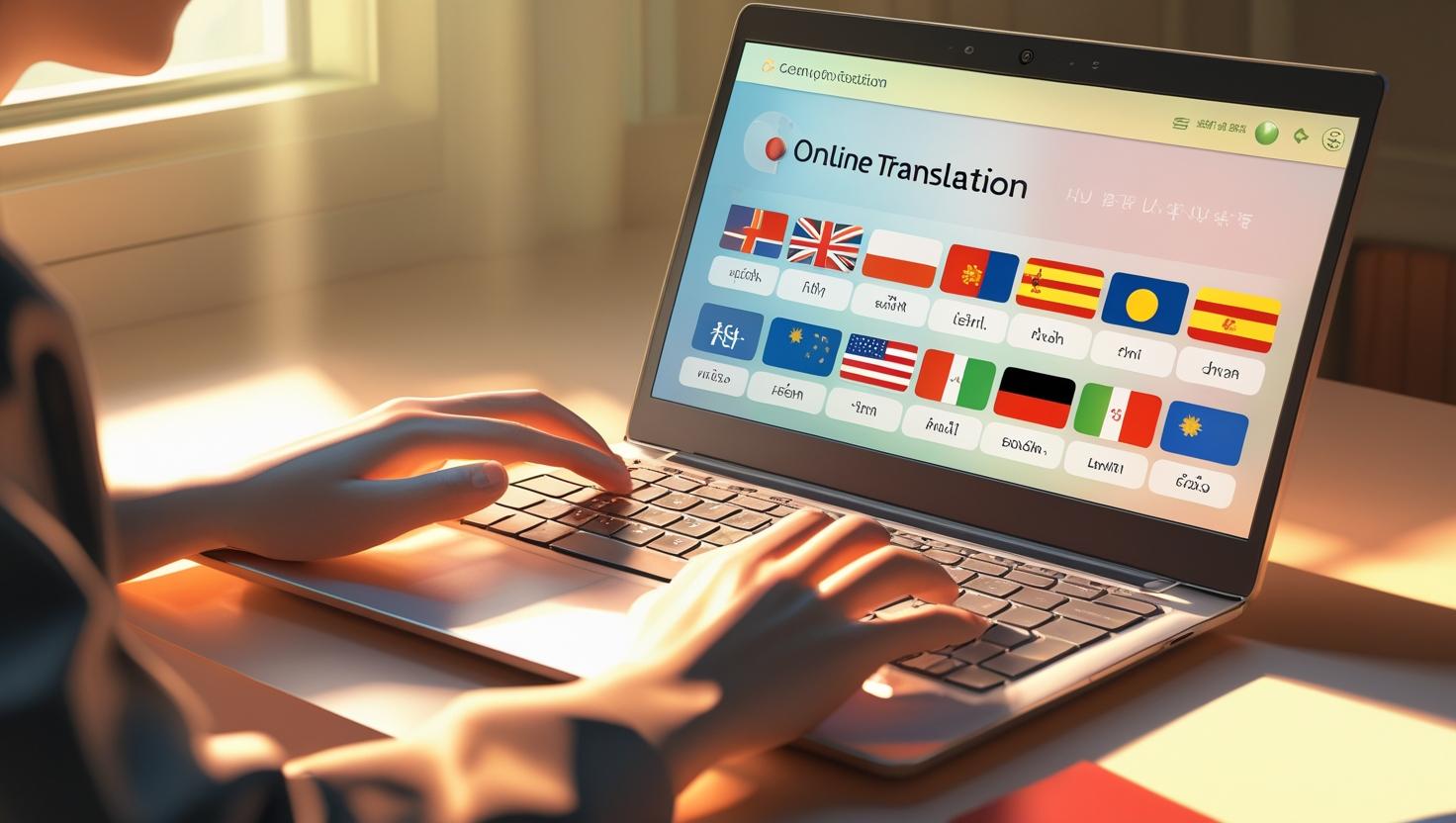
Online translation services are becoming popular due to convenience. Many agencies offer secure upload portals, quick quotes, and digital delivery of translated files. However, for sensitive or complex translations, in-person consultations or telephone interpretation might be preferred.
Types of Bangla to English Translation Services Available
- Document Translation:
Includes legal papers, medical reports, academic transcripts, and personal documents. - Interpretation Services:
Real-time translation for meetings, court hearings, medical appointments, and community events. - Business & Website Translation:
Helps local businesses reach Bengali-speaking customers by translating marketing materials, websites, and product descriptions.
Choosing the Right Bangla Translator in Scotland
When selecting a translator, consider:
- Qualifications: Look for translators certified by recognized bodies, such as the Institute of Translation and Interpreting (ITI) in the UK.
- Industry Experience: Specialized translators understand specific terminology, whether legal, medical, or technical.
- Client Reviews: Feedback from previous clients can indicate reliability and quality.
Always request a sample translation if possible to check quality before committing.
Common Challenges in Bangla to English Translation
Bangla has several regional dialects, and subtle cultural expressions can be hard to translate. Maintaining the tone and context is crucial to avoid misinterpretation. Additionally, technical or legal vocabulary requires translators with domain expertise to ensure accuracy.
How to Get Bangla to English Translation in Scotland Quickly and Efficiently?
- Use Online Platforms: Many agencies in Scotland provide online services to expedite the process.
- Plan Ahead: Allow sufficient time for complex or certified translations.
- Communicate Clearly: Provide context and clarify any special requirements with your translator.
Pricing varies depending on document length, complexity, and certification needs, but most providers will give a transparent quote upfront.
Why Professional Translation Matters?
Some people mistakenly think that online translation tools like Google Translate or untrained bilingual speakers can handle Bangla to English translation. However, professional translation matters for several critical reasons:
Accuracy & Reliability
Mistakes in translation, especially in legal or financial documents, can lead to serious consequences. A professional translator ensures accuracy and context-appropriate phrasing.
Cultural Sensitivity
Bangla text often includes cultural references, specific terminologies, and formal expressions. A trained specialist knows how to adapt these elements to English without losing meaning.
Acceptance by UK Authorities
For immigration, education, NHS use, and legal proceedings, the UK requires certified translations. Only a recognized and professional translator can issue an accepted certificate of accuracy.
Clear Communication
In business and academic settings, unclear or incorrect translation can damage trust, reduce opportunities, and misrepresent ideas.
Professional translation allows you to communicate confidently and effectively.
Industries in Scotland That Need Bangla to English Translations
Certain Scottish industries rely heavily on professional translation services due to their multicultural environment.
Immigration & Legal Sector
The immigration system often requires translation of personal documents, asylum paperwork, and supporting evidence. Solicitors also frequently need translated documents for legal cases.
Education & Academia
Students applying to Scottish universities often need:
- Academic transcripts
- Recommendation letters
- Certificates
translated from Bangla to English.
NHS & Healthcare
Doctors and nurses rely on accurate translation of:
- Medical histories
- Patient reports
- Test results
Misinterpretation can lead to incorrect diagnosis or treatment.
Business & Commerce
Scotland’s growing global trade sector requires multilingual communication with countries like Bangladesh.
Public Services
Local councils, housing services, and welfare authorities often need translated documents for residents.
Certified Bangla to English Translation for UKVI & Legal Use
UKVI (UK Visas and Immigration) has strict rules for translated documents used in visa and immigration applications. A Bangla document must be:
- Translated fully and accurately
- Certified by a professional translator
- Accompanied by a signed declaration
Failure to follow these guidelines can result in:
- Application delays
- Rejection
- Requests for re-submission
Certified translation is also required in the following legal situations:
- Court submissions
- Marriage or divorce cases
- Adoption documentation
- Asylum or immigration hearings
Working with a qualified Scottish translation provider ensures compliance with all UK government standards.
What to Look for in a Professional Translation Service in Scotland
Choosing the right translation service is crucial. Here are the factors to consider:
Translator Qualifications
A professional Bangla to English translator should have:
- Native proficiency in both languages
- Certification or membership in recognized translation bodies
- Professional experience in handling legal and certified documents
- Subject-matter expertise (legal, medical, academic, technical)
Quality Assurance Process
High-quality translation agencies follow strict QA procedures such as:
- Proofreading by a second translator
- Editing for accuracy and clarity
- Consistency checks
- Glossary and terminology management
This eliminates errors and ensures the final translation meets UK requirements.
Turnaround Time & Urgent Services
Reliable translation providers in Scotland offer:
- Standard delivery (24–48 hours)
- Same-day translation for small documents
- Express services for urgent cases
This flexibility is important for deadlines such as visa applications, job interviews, or academic submissions.
Benefits of Hiring a Local Scottish Translation Provider
Working with a translation expert based in Scotland offers several benefits:
Better Understanding of Local Requirements
Local translators know exactly what Scottish institutions expect, including:
- NHS formatting
- Court submission standards
- University document guidelines
- UKVI certification requirements
Faster Communication
You can contact them easily during UK business hours, get updates quickly, and resolve any issues without delay.
Quick Delivery
Local providers offer faster turnaround, especially if you need urgent certified documents.
Personalized Support
Whether you need help with immigration forms or academic requirements, Scottish translation agencies provide guidance.
Cost of Bangla to English Translation in Scotland
The cost of translation varies depending on several factors:
Factors Affecting Cost
- Type of document (legal, medical, academic, personal)
- Length of text
- Complexity
- Required certification
- Urgency of delivery
Average Pricing
While prices vary, typical costs in Scotland range from:
- £20 to £40 per certified page
- £0.10 to £0.18 per word for general translation
-
Additional charges for urgent or same-day delivery
To get the most accurate price, most agencies offer free quotes once you upload your document.
FAQ: Bangla to English Translation in Scotland
Q1: Are Bangla to English translations legally recognized in Scotland?
A1: Yes, but only if done by certified translators or agencies recognized by UK legal bodies. Always check if your document requires notarization or additional certification.
Q2: How long does it take to translate documents from Bangla to English?
A2: Turnaround times vary but generally range from 24 hours to a few days, depending on document length and complexity.
Q3: Can I translate Bangla documents online in Scotland?
A3: Absolutely! Many translation agencies offer secure online submission and delivery, making the process fast and convenient.
Q4: What types of documents can be translated?
A4: Legal documents, medical reports, academic transcripts, business materials, personal letters, and more.
Q5: How much do Bangla to English translation services cost?
A5: Pricing depends on the document’s length, complexity, and certification requirements. Expect to pay between £0.08 to £0.20 per word on average.
Conclusion
Finding reliable Bangla to English translation services in Scotland doesn’t have to be overwhelming. By choosing certified professionals who understand both languages and cultures, you ensure your translations are accurate, clear, and legally valid. Whether you need document translation, interpretation, or business localization, Scotland offers skilled translators ready to help.
Ready to get started? Contact a trusted Bangla to English translation agency in Scotland today and bridge the language gap with confidence!
Read More