
What is the going rate for translation services? The going rate for translation services typically ranges from £0.08 to £0.25 per word, depending on language pair, document complexity, and urgency. Certified translations in the UK usually cost £40 to £70 per page, reflecting professional standards and quality control.
Understanding the going rate for translation services is one of the most common concerns for individuals and organisations seeking professional language solutions. Whether you need documents translated for immigration, academic, business, medical, or personal purposes, pricing often varies widely depending on multiple factors. For clients in the UK and beyond, knowing what influences translation costs helps set realistic expectations and ensures better decision-making when choosing a translation provider.
Translation is not a one-size-fits-all service. The cost of translating a document can differ significantly based on language combinations, subject matter, urgency, certification requirements, and document format. As professional translation services continue to play a critical role in global communication, legal processes, education, and international business, transparency around pricing becomes increasingly important.
We do not give any legal advice to any client. We only do Translation we do not give any authenticity and security and clarity of the documentation, as a disclaimer., we only do the Translation, it is the responsibility of the applicant to make sure they maintain authenticity of the document, if the documents are not authentic, the translation will be void.
At setranslations.uk, we focus strictly on providing professional translation services while maintaining clarity around what translation does and does not cover. This article explains the typical rates for translation services, what affects pricing, and how clients can evaluate value without confusing translation fees with legal, advisory, or authentication services.
Understanding Translation Pricing in General
Translation pricing is typically calculated using one of several industry-standard methods. These include per-word rates, per-page rates, hourly rates, or fixed project pricing. Among these, the per-word rate is the most widely used for written translation services, especially for standard documents.
In the UK market, translation rates generally reflect the skill level of the translator, the complexity of the text, and the expectations for accuracy and formatting. Professional translation is a skilled service that requires linguistic expertise, subject knowledge, and attention to detail. As such, pricing is influenced by more than just word count.
Clients should be cautious of extremely low prices, as they often indicate machine-only translations or unqualified translators. Professional translation pricing reflects not only language conversion but also quality control processes, such as proofreading and formatting checks.
Average Translation Rates in the UK
While translation rates vary, it is possible to outline general ranges to help clients understand the market.
For standard document translation in common language pairs, such as Bangla, Arabic, and Urdu to English, professional rates in the UK often range from £0.08 to £0.15 per word. For less common languages or complex subject matter, rates may increase to £0.18 to £0.25 per word or higher.
Certified translations, which are commonly required for visa applications, academic submissions, and official use, are often priced per page rather than per word. In the UK, certified translation rates typically range from £40 to £70 per page, depending on language, turnaround time, and document complexity.
It is important to note that these prices cover translation services only. They do not include legal review, document authentication, or advice regarding the acceptance of documents by authorities.
Factors That Influence Translation Costs
Translation pricing is shaped by several key factors. Understanding these helps clients see why costs vary and why two similar documents may receive different quotes.
Language Pair
One of the most significant cost factors is the language combination. Common language pairs usually cost less due to the availability of qualified translators. Rare or regional languages, such as Pashto, Tigrinya, or Kurdish, often cost more because fewer professional translators are available.
Document Complexity
General texts such as personal letters or certificates are usually less expensive to translate than technical, medical, legal, or academic documents. Complex terminology requires subject-matter expertise, which increases the cost.
Turnaround Time
Urgent translations typically cost more than standard delivery services. Translators may need to prioritise the project or work outside normal hours, which affects pricing. Standard turnaround times are generally more cost-effective.
Formatting and Layout
Documents containing tables, stamps, handwritten notes, or complex layouts may require additional formatting work. While translation itself focuses on text, maintaining the original structure can add to the overall cost.
Certification Requirements
Certified translations include a signed declaration confirming that the translation is accurate and complete. While certification does not add legal authority, it does require additional administrative handling, which is reflected in pricing.
Per-Word vs Per-Page Pricing Explained
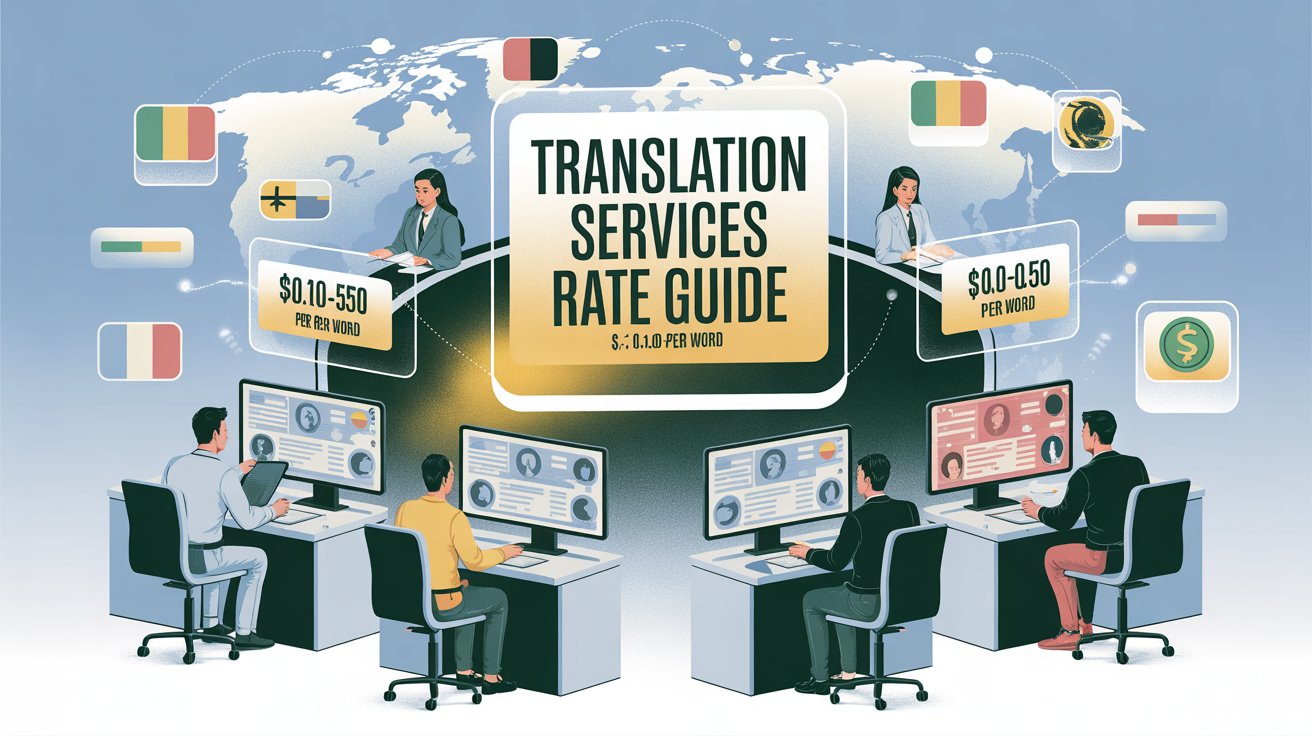
Clients often wonder why some translation providers charge per word while others charge per page. Each method has its purpose.
Per-word pricing is commonly used for digital documents where word count can be accurately calculated. This method ensures transparency and allows clients to understand exactly what they are paying for.
Per-page pricing is typically used for certified translations of official documents, such as birth certificates, marriage certificates, academic transcripts, or bank statements. A “page” usually refers to a standard page of text, not necessarily a physical page.
At setranslations.uk, pricing is structured clearly so clients know whether they are paying per word or per page, depending on the type of service requested.
Certified Translation Rates and What They Include
Certified translations are often required by UK institutions such as the Home Office, universities, and professional bodies. These translations include a certification statement confirming that the translation is accurate and complete to the best of the translator’s ability.
However, it is essential to understand that certification does not verify the authenticity of the original document. The translator does not validate whether a document is genuine or legally valid.
As stated earlier, we do not give any legal advice to any client. We only do Translation, and the responsibility for document authenticity remains with the applicant. If original documents are not authentic, the translation may be considered void by the requesting authority.
Certified translation rates generally reflect the added responsibility of producing a formal, presentable document suitable for official submission.
Hourly Rates for Translation Services
In some cases, translation services are charged on an hourly basis. This is more common for tasks such as editing, proofreading, interpreting preparation, or handling poorly scanned documents.
Hourly translation rates in the UK can range from £30 to £70 per hour, depending on the translator’s experience and the nature of the work. While hourly pricing may seem less predictable, it can be appropriate for projects where word count is difficult to determine.
The Tanveer Principle in UK
The Tanveer Principle in the UK plays a vital role in ensuring fairness within asylum and immigration cases. It guides decision-makers to rely on credible, verifiable evidence rather than assumptions or personal impressions.
This principle protects applicants by ensuring that caseworkers assess documents carefully, especially when authenticity is questioned. It prevents unfair refusals based on speculation.
In the UK immigration system, the Tanveer Principle strengthens transparency and accuracy. It ensures that every applicant is judged on the basis of proper evidence, promoting justice and consistency throughout the asylum and immigration process.
Why Very Cheap Translation Services Can Be Risky?
Low-cost translation services may appear attractive, especially for clients on a tight budget. However, extremely cheap rates often indicate the use of automated translation tools without proper human review.
Machine translation can be useful for understanding general meaning, but it often fails to capture context, tone, and accuracy required for official or professional use. Errors in translated documents can lead to rejection, delays, or misunderstandings.
Professional translation pricing reflects quality, accountability, and experience. While cost is important, value and reliability are equally critical.
Translation Services for Immigration and Visa Applications
Translation services are commonly required for UK visa and immigration applications. Documents such as birth certificates, marriage certificates, police records, and financial statements often need to be translated into English.
It is important to emphasise that translation providers do not influence visa decisions. Translation services only convert text from one language to another.
We do not give any legal advice, and we do not assess whether documents meet visa requirements. Applicants are responsible for ensuring that their documents are genuine, complete, and acceptable to the relevant authority.
Pricing for immigration-related translations depends on document length, language, and certification requirements.
Business and Corporate Translation Rates
Business translation services may include contracts, reports, marketing materials, policies, and correspondence. These documents often require consistency, confidentiality, and industry-specific terminology.
Corporate translation rates may be higher than general document translation due to the level of expertise required. However, businesses benefit from accurate communication, reduced risk, and professional presentation.
Long-term or high-volume projects may qualify for discounted rates, depending on the scope of work.
Academic and Educational Document Translation Costs
Academic translations include diplomas, transcripts, research papers, and certificates. These documents often require careful handling of terminology and formatting.
Pricing depends on whether the translation is for informational purposes or official submission. Certified academic translations generally follow per-page pricing, while research papers are often charged per word.
Again, translation providers do not evaluate academic credentials or provide advice on admissions. Their role is limited strictly to translation.
Does Translation Cost Include Proofreading?
Many professional translation services include basic proofreading as part of the process. This ensures that the translated text is accurate, consistent, and free from errors.
However, advanced editing or stylistic review may incur additional costs, especially for publications or marketing content. Clients should always confirm what is included in the quoted price.
How to Get an Accurate Translation Quote?
To receive an accurate quote, clients should provide clear copies of their documents, specify the target language, and indicate whether certification is required. Additional details such as deadlines and formatting expectations also help.
Transparent communication allows translation providers to offer precise pricing without hidden costs.
Are Translation Rates Negotiable?
In some cases, translation rates may be negotiable, particularly for large projects or ongoing work. However, quality translation has a minimum cost, and significant discounts may affect service standards.
Professional providers aim to balance fair pricing with quality and sustainability.
Choosing Value Over Price Alone
The going rate for translation services should always be evaluated alongside quality, experience, and reliability. A professionally translated document reflects positively on the client and reduces the risk of rejection or misunderstanding.
At setranslations.uk, we prioritise accuracy, clarity, and professional standards while remaining transparent about pricing and service scope.
Final Thoughts on What Is the Going Rate for Translation Services?
The going rate for translation services depends on multiple factors, including language pair, document type, urgency, and certification requirements. In the UK, professional translation pricing reflects skill, responsibility, and quality assurance.
Clients should remember that translation services are limited to language conversion only. We do not give any legal advice, nor do we verify document authenticity or compliance with institutional requirements. The responsibility for original documents remains entirely with the applicant.
By understanding how translation pricing works, clients can make informed decisions, avoid unrealistic expectations, and choose services that offer true value rather than simply the lowest price.