
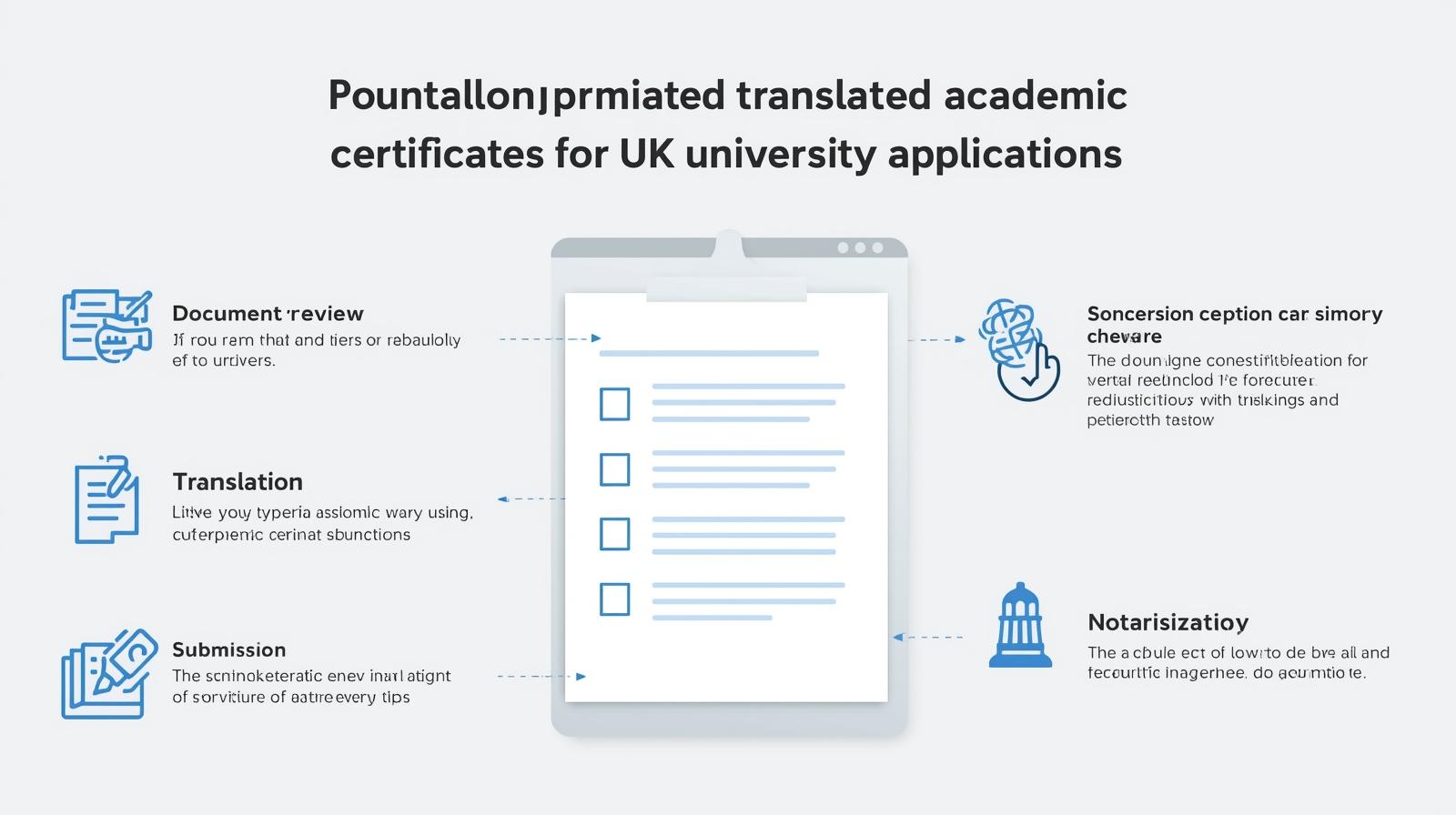
Applying to a UK university involves multiple steps, and one of the most crucial is translating your academic certificates. Whether you’re applying with a diploma from Bangladesh, Pakistan, or another country, your academic documents must be translated accurately into English. This ensures that the admissions team can properly assess your qualifications.
In this guide, we’ll walk you through the process of translating academic certificates for UK universities, highlighting key details and best practices to avoid common mistakes. Additionally, if you’re looking for Bangla to English Translation Services or Urdu to English Translation Services, we offer certified translations services to assist you.
Disclaimer: We do not give any legal advice to any client. We only do Translation we do not give any authenticity and security and clarity of the documentation, as a disclaimer., we only do the Translation, it is the responsibility of the applicant to make sure they maintain authenticity of the document, if the documents are not authentic, the translation will be void.

Why Accurate Translation of Academic Certificates is Essential for UK Universities
For any international student applying to study in the UK, it’s essential to ensure your academic certificates are correctly translated. UK universities rely on these translations to determine whether your qualifications meet their academic standards.
Here’s why accurate translation is vital:
- Admissions Process: Accurate translations are crucial to ensure your qualifications are properly evaluated.
- Qualification Recognition: The UK education system may have different terms, making it necessary to ensure the translation reflects the UK equivalent.
- Official Requirements: Universities often require certified translations, making it imperative to use a professional service.
If you need assistance with translations from Bangla to English or Urdu to English, visit our Bangla to English Translation page or Urdu to English Translation page.
The Step-by-Step Process for Translating Academic Certificates for UK Universities
Here’s a breakdown of the essential steps for translating your academic documents accurately:
| Step | Action | Description |
| 1. | Check University Requirements | Review the university’s guidelines for document submission to confirm if they require certified translations. |
| 2. | Hire a Certified Translator | Use a certified translator specializing in academic documents. Ensure they are recognized by organizations like the Institute of Translation and Interpreting (ITI). |
| 3. | Submit Original Documents | Provide both the original and translated versions of your academic certificates for the best results. |
| 4. | Verify Translation Accuracy | Ensure that every detail, from grades to dates, is translated correctly to avoid confusion. |
| 5. | Submit Translated Documents | Once verified, submit your translated certificates to the university according to their submission requirements. |
If you’re looking for Bangla to English or Urdu to English translations, contact us for certified services.
Common Mistakes in Document Translation and How to Avoid Them
Students often make errors when translating their academic certificates. Here’s how you can avoid these pitfalls:
- Using Non-Certified Translators:
Many students opt for non-certified translators to save money. However, UK universities require certified translations, so this can lead to rejected applications.
Solution: Choose a professional translator certified by recognized translation bodies like ITI. - Mistakes in Course Titles or Grades:
Translations that are not familiar with your country’s education system can result in incorrect course titles or grades.
Solution: Ensure the translator understands both your home country’s education system and the UK system. - Omitting Documents:
Failing to submit all required documents can delay your application.
Solution: Double-check that all necessary documents are translated and submitted on time. - Not Following University Guidelines:
Every university has different rules for document submissions. Not adhering to them could result in delays.
Solution: Carefully review and follow the university’s guidelines for document submission.
For certified Bangla to English Translation and Urdu to English Translation services, we can help you avoid these common issues.
The Tanveer Principle in UK
The Tanveer Principle in the UK plays a vital role in ensuring fairness within asylum and immigration cases. It guides decision-makers to rely on credible, verifiable evidence rather than assumptions or personal impressions.
This principle protects applicants by ensuring that caseworkers assess documents carefully, especially when authenticity is questioned. It prevents unfair refusals based on speculation.
In the UK immigration system, the Tanveer Principle strengthens transparency and accuracy. It ensures that every applicant is judged on the basis of proper evidence, promoting justice and consistency throughout the asylum and immigration process.
How to Translate Asylum Academic Certificates for UK Universities?
Translating academic certificates for UK universities requires accuracy and professionalism. At setranslations.uk, we ensure your documents are translated clearly and correctly for admissions use.
Our certified translators provide precise, easy-to-read translations that meet UK university standards. We handle degrees, transcripts, diplomas, and other academic records with care.
We only provide translation services, not legal guidance. The applicant is responsible for the authenticity and clarity of the original documents. Our role is to deliver accurate translations that support your university application.
Tips for Finding the Best Certified Translation Service
Choosing the right certified translation service is crucial for ensuring your documents are accurate and accepted. Here’s how you can choose the best service:
- Check for Certification: Ensure the translator is certified by recognized organizations such as ITI.
- Experience with Academic Translations: Choose a service that specializes in academic documents to avoid errors.
- Timely Delivery: Make sure the translation service can meet your deadlines.
- Customer Reviews: Look for reviews or recommendations from other students.
We offer expert Bangla to English Translation and Urdu to English Translation services to help you meet UK universities’ standards.
Accurate translation of your academic certificates is a vital part of your UK university application. By following the steps outlined in this guide and avoiding common mistakes, you’ll ensure that your documents are translated properly and submitted on time.
If you need help translating your academic documents, don’t hesitate to reach out to us for certified Bangla to English or Urdu to English translations.
Are you ready to submit your academic certificates for UK university applications? Get in touch with us today for certified translation services in Bangla to English and Urdu to English. Don’t risk delays — contact us now!
FAQ:
Q1: Do I Need a Certified Translation for all My Academic Certificates?
A: Most UK universities require certified translations for all academic certificates. However, it’s essential to check the specific university’s requirements.
Q2: Can I Translate My Certificates Myself?
A: While you can translate your certificates yourself, UK universities often require that translations be done by certified professionals.
Q3: How Long Does It Take to Translate Academic Certificates?
A: Translation time varies, but on average it takes 3-7 business days. Be sure to plan ahead to avoid missing deadlines.
Conclusion:
Translating academic certificates for UK universities requires accuracy, professionalism, and adherence to institutional guidelines. Using certified translators ensures clarity, acceptance, and credibility. By choosing a reliable service and preparing documents correctly, applicants can avoid delays and present their academic history clearly and confidently during the admission process.