
Securing a UK work permit can be a complex process, especially for non-English speakers. One of the critical elements in this process is the translation of essential documents. Accurate and reliable translations are not only important for understanding but also for ensuring that your application is processed smoothly. Inaccurate or incomplete translations can delay or even jeopardize your chances of securing a work permit. This post will explain the The role of translation in securing a UK work permit application, the types of documents requiring translation, and common mistakes to avoid.
If you need professional translation services for your documents, especially from Bangla to English or Urdu to English, you can visit our specialized Bangla to English Translation Service and Urdu to English Translation Service pages for more information.
Disclaimer: We do not give any legal advice to any client. We only do Translation we do not give any authenticity and security and clarity of the documentation, as a disclaimer., we only do the Translation, it is the responsibility of the applicant to make sure they maintain authenticity of the document, if the documents are not authentic, the translation will be void.

Executing Documents Requiring Translation
When applying for a UK work permit, the Home Office may request several documents in support of your application. These documents must be in English or Welsh, so translations are often necessary. Below are the types of documents that typically require translation:
- Personal Identification Documents:
This includes passports, birth certificates, and marriage certificates. They should be translated into English to confirm your identity and any familial relationships. - Educational Qualifications:
Any degrees, diplomas, or certificates obtained outside the UK need to be translated. The Home Office requires clear proof of your academic achievements. - Employment Records:
Employment verification letters and contracts, especially those from international employers, must be translated to show your professional experience and qualifications. - Legal and Immigration Documents:
If you have any previous immigration history or legal documents (e.g., previous visa applications, court orders), these also need to be translated accurately.
If you’re looking to get documents translated from Bangla or Urdu to English, consider using our expert services to ensure accuracy and smooth processing.
The Tanveer Principle in UK
The Tanveer Principle in the UK plays a vital role in ensuring fairness within asylum and immigration cases. It guides decision-makers to rely on credible, verifiable evidence rather than assumptions or personal impressions.
This principle protects applicants by ensuring that caseworkers assess documents carefully, especially when authenticity is questioned. It prevents unfair refusals based on speculation.
In the UK immigration system, the Tanveer Principle strengthens transparency and accuracy. It ensures that every applicant is judged on the basis of proper evidence, promoting justice and consistency throughout the asylum and immigration process.
Why Translation Matters in the UK Work Permit Process By Setranslations.uk?
Accurate translation plays a vital role in the UK work permit process, especially for applicants submitting documents in languages other than English. Clear and precise translation ensures that your records are fully understood by UK authorities.
Professionally translated documents help avoid delays, misunderstandings, or rejection caused by unclear or incomplete information. At setranslations.uk, we focus on delivering high-quality translations tailored to your application needs.
Disclaimer: We do not give any legal advice to any client. We only do translation. We do not give any authenticity, security, or clarity of the documentation. It is the applicant’s responsibility to ensure the authenticity of their documents.
Tips for Ensuring Accurate Translations
Accurate translation is vital, as errors can lead to delays or even rejection of your work permit application. Here are some tips to ensure that your translations meet the required standards:
- Use Certified Translators:
The UK Home Office typically requires that translations be done by a certified translator. Ensure that the translation is accurate and includes a statement confirming that it is a true and complete translation of the original document. - Ensure the Translation Includes Important Details:
It’s essential that the translator includes all the important details, such as the names, dates, and any other critical information from the original document. Missing details can cause confusion and may lead to delays. - Avoid Machine Translations:
While machine translation tools like Google Translate are convenient, they cannot guarantee the accuracy needed for official documents. Always opt for human translators who are experts in the field. - Verify the Translator’s Credentials:
Ensure the translator is recognized by an official body, such as the Association of Translation Companies (ATC). This adds credibility to the translation and ensures its acceptance by the UK authorities.
Common Translation Mistakes and How to Avoid Them
Despite careful planning, some applicants make mistakes during the translation process that can negatively affect their application. Here are some common errors to avoid:
- Incomplete Translations:
Some applicants fail to translate the entire document, such as annotations or stamps that appear on the original. Ensure the translator includes everything that appears on the original document. - Inaccurate Terminology:
Using incorrect or ambiguous terminology in translations, especially legal terms or technical jargon, can lead to misunderstandings. Choose a translator who is familiar with legal and immigration terminology to avoid this issue. - Not Including a Translator’s Declaration:
UK immigration authorities often require a statement from the translator confirming their qualifications and that the translation is accurate. Failing to provide this declaration can result in delays. - Using Non-Official Translations:
Always use a certified and professional translator. Non-certified translations are unlikely to be accepted, which can delay the application process.
Ensuring a Smooth Application Process
Translations play a vital role in securing a UK work permit. By ensuring that your documents are accurately translated, you minimize the risk of errors that could cause delays or rejection. Remember to use certified translators, verify the accuracy of translations, and avoid common mistakes like incomplete or inaccurate translations.
If you need professional translation services for your Bangla or Urdu documents, don’t hesitate to visit our Bangla to English Translation Service and Urdu to English Translation Service pages. We can help you with certified translations to ensure your UK work permit application is flawless.
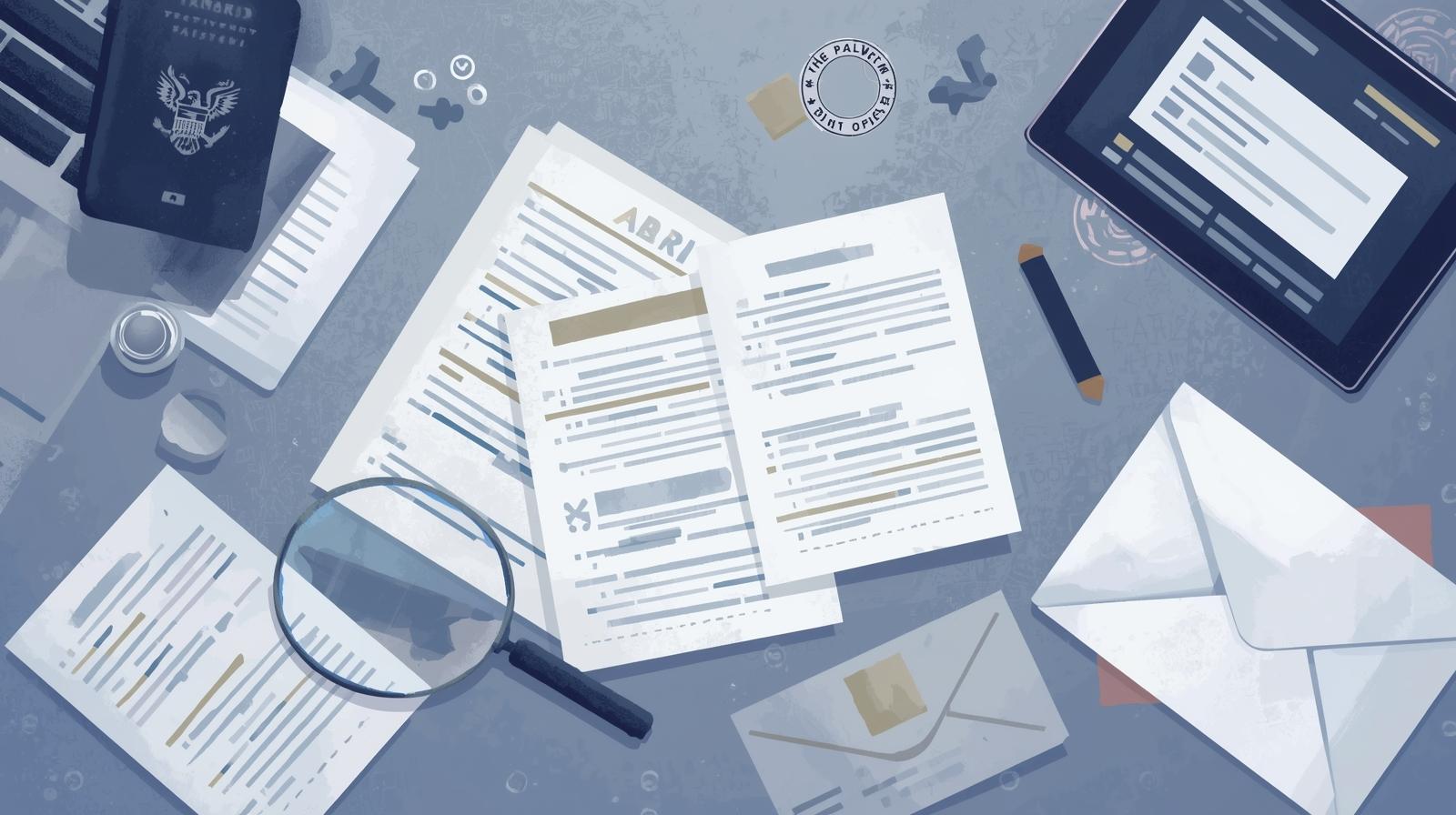
If you are preparing your application for a UK work permit, make sure to consult a professional translation service to ensure your documents meet all requirements. Don’t let translation errors stand in the way of your career goals in the UK! You can also visit our SE Translations for more details on how we can assist you.
Why Translation Plays a Critical The Role of Translation in Securing a UK Work Permit?
Translation ensures that caseworkers can accurately evaluate an applicant’s credentials. Immigration officers, solicitors, and decision-makers must be able to clearly understand the contents of each document, including official stamps, seals, and signatures.
Poor translation can lead to misunderstandings or incorrect interpretation of important details such as employment roles, academic grades, or legal status. This is why the Home Office places strong emphasis on certified translations. Proper translation establishes transparency, promotes accuracy, and builds trust in the authenticity of the documents. When translations adhere to professional standards, the application review becomes faster and smoother.
How Professional Translation Ensures Compliance with UK Immigration Rules?
Professional translators understand immigration terminology, formatting expectations, and legal vocabulary. They ensure that names, dates, reference numbers, and official details are translated with complete accuracy. Even small errors—such as inconsistent spelling of a surname—can raise red flags.
Maintaining consistent formatting is also crucial. A translation should mirror the structure of the original document so that caseworkers can easily compare the two. Professional translators use terminology that matches Home Office expectations, reducing the chance of confusion or misinterpretation.
Additionally, professional agencies ensure confidentiality and secure handling of personal data. Immigration documents often contain sensitive information, and using unverified translation services or amateur translators might expose applicants to privacy risks.
FAQs: (Frequently Ask Questions)
Do All Documents Need to be Translated for a UK Work Permit?
Not all documents require translation. Only those that are in a language other than English or Welsh need to be translated. Always check the specific requirements for your case.
How Long Does the Translation Process Take?
The time required for translation can vary depending on the number of documents and their complexity. It’s advisable to start the translation process early to avoid delays.
Can I Translate the Documents Myself?
The UK authorities generally require translations to be done by a certified translator, not by the applicant themselves, to ensure accuracy and impartiality.
Conclusion
Translation plays a fundamental role in securing a UK work permit. The Home Office requires clear, accurate, and certified translations for all non-English documents, and failure to comply with these standards can jeopardise an entire application. Choosing a professional translation agency such as setranslations.uk ensures reliability, accuracy, compliance, and peace of mind.
Whether translating personal ID documents, academic certificates, employment records, or legal papers, applicants must prioritise quality and professionalism. With the right translation support, the UK work permit process becomes smoother, faster, and more successful.
Disclaimer: We do not give any legal advice to any client. We only do Translation we do not give any authenticity and security and clarity of the documentation, as a disclaimer., we only do the Translation, it is the responsibility of the applicant to make sure they maintain authenticity of the document, if the documents are not authentic, the translation will be void.